Acrylic emulsion is one of the most essential water-based chemical products widely used in modern industrial manufacturing. With excellent film-forming performance, adhesion, weather resistance and water resistance, acrylic emulsion serves as a core raw material for water-based coatings, adhesives, textile finishing, leather coating and paper coating industries.
The final performance of acrylic emulsion depends on monomer composition, auxiliary formula and polymerization process. This article introduces a universal industrial-grade acrylic emulsion formula, including raw material functions, standard proportion and complete preparation process, which is suitable for mass production and laboratory formulation adjustment.
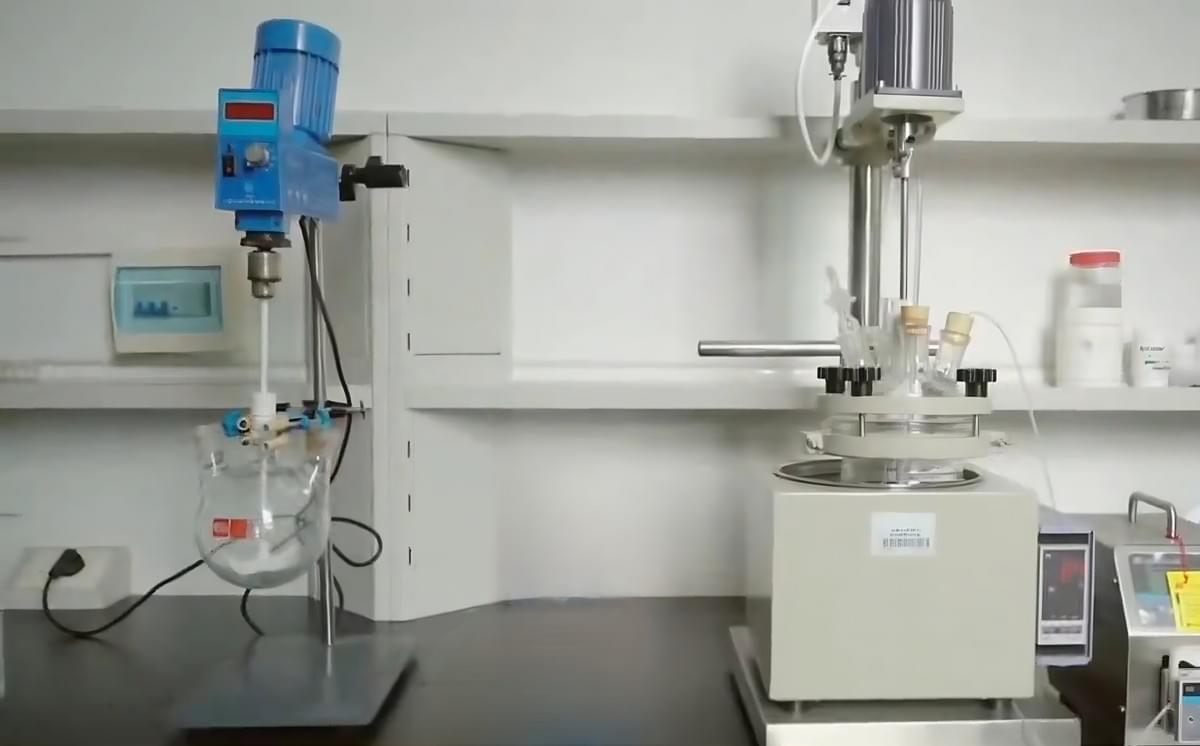
Acrylic emulsion is polymerized by soft and hard monomers, functional monomers, emulsifiers, initiators, buffers and deionized water. Each component plays an irreplaceable role in stabilizing the emulsion system and optimizing film performance.
As the main soft monomer, butyl acrylate provides the polymer film with outstanding flexibility, ductility and water resistance. It effectively prevents the coating from becoming brittle and cracking, and improves the low-temperature resistance of the finished emulsion.
1.2 Methyl Methacrylate (MMA)
Methyl methacrylate is a classic hard monomer. It significantly enhances the surface hardness, abrasion resistance and mechanical strength of the acrylic film, balancing the softness brought by butyl acrylate to achieve stable overall performance.
1.3 Styrene (ST)
Styrene is added to improve the substrate adhesion and chemical resistance of acrylic emulsion. It improves the compactness of the polymer structure and enhances resistance to acid, alkali and solvent erosion in industrial applications.
1.4 Acrylic Acid (AA)
As a key functional monomer, acrylic acid provides moderate hydrophilicity and cross-linking points for the emulsion system. It improves emulsion stability, promotes cross-linking curing, and further enhances film compactness and adhesion.
1.5 Emulsifier
Common emulsifiers such as sodium dodecyl sulfate (SDS) are used to disperse oil-phase monomers in water. They form a stable emulsion system, prevent monomer stratification and emulsion demulsification, and ensure uniform polymerization reaction.
1.6 Initiator
Ammonium persulfate (APS) is the most common water-soluble initiator. It triggers free radical polymerization of acrylic monomers at a specific temperature, realizing the synthesis of acrylic polymer emulsion.
1.7 Buffer Agent
Sodium bicarbonate is used as a pH buffer to stabilize the pH value of the reaction system. It avoids excessive pH fluctuation during polymerization, ensures stable reaction rate, and improves emulsion storage stability.
1.8 Deionized Water
Deionized water acts as the aqueous solvent and dispersion medium of the entire emulsion system. It avoids impurity interference from ordinary tap water and guarantees the purity and stability of the finished acrylic emulsion.
2. Standard Proportion of Universal Acrylic Emulsion Formula
The following is the classic mass proportion range for general-purpose industrial acrylic emulsion, which can be adjusted according to actual performance requirements:
• Butyl Acrylate: 30% - 40%
• Methyl Methacrylate: 20% - 30%
• Styrene: 10% - 24%
• Acrylic Acid: 1% - 5%
• Emulsifier: 1% - 3%
• Initiator: 0.3% - 1%
• Buffer Agent: Appropriate amount
• Deionized Water: Remainder
3. Complete Preparation Process of Acrylic Emulsion
This emulsion adopts conventional free radical emulsion polymerization. The whole process is stable, easy to operate and suitable for industrial batch production.
Step 1: Prepare base emulsion
Add the measured emulsifier and part of deionized water into the reaction kettle. Stir evenly at a constant speed to form a uniform and stable aqueous emulsification solution.
Step 2: Prepare monomer premix
Mix butyl acrylate, methyl methacrylate, styrene and acrylic acid according to the formula ratio. Stir fully to obtain a homogeneous mixed monomer solution for standby.
Step 3: Prepare initiator solution
Dissolve the ammonium persulfate initiator completely in the remaining deionized water to prepare a transparent initiator aqueous solution.
Step 4: Drop monomer and heat up
Under continuous stirring, slowly drop the mixed monomer solution into the base emulsion in the reaction kettle. Gradually heat the system to the preset reaction temperature.
Step 5: Initiate polymerization reaction
When the system temperature reaches the initiation temperature, add the prepared initiator solution to trigger the free radical polymerization reaction of acrylic monomers.
Step 6: Control reaction conditions
Maintain constant temperature and stable stirring speed during the reaction process. Avoid violent temperature fluctuations to prevent gelation, demulsification or unstable molecular weight.
Step 7: Cool and discharge
After the polymerization reaction is fully completed, stop heating and cool the system to room temperature naturally. The finished uniform and stable acrylic emulsion is finally obtained.
4. Production Notes and Formula Optimization
Different application scenarios have distinct requirements on acrylic emulsion in terms of hardness, flexibility, water resistance, adhesion and weather resistance. The above universal formula can be adjusted pertinently:
• For flexible adhesive-grade emulsion: Appropriately increase the proportion of butyl acrylate to improve flexibility and bonding performance.
• For hard coating-grade emulsion: Increase the content of methyl methacrylate and styrene to enhance hardness and chemical resistance.
• For high-stability emulsion: Fine-tune the dosage of emulsifier and buffer agent to optimize system pH and storage stability.
In actual industrial production, reaction temperature, dropping speed and stirring speed must be strictly controlled to ensure consistent batch quality, avoid defects such as particle generation, poor stability and insufficient film-forming performance.
5. Application Fields
Modified and universal acrylic emulsions are widely used in water-based architectural coatings, industrial anti-corrosion coatings, water-based adhesives, textile printing and dyeing, leather finishing agents and paper surface coating, which are essential environmentally friendly water-based polymer materials in the chemical industry.